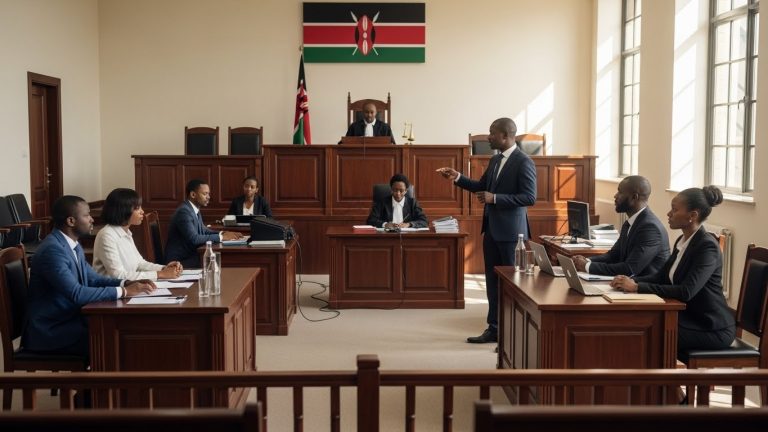

Terminating an employee carelessly isn’t just bad HR practice — in Kenya, employers risk legal defeat, hefty compensation, reputational damage, and mandated reinstatement. These real cases from Kenyan courts prove that procedural missteps, discrimination, and lack of due process can turn a termination into a costly legal disaster.
Below are five compelling wrongful termination examples every employer should learn from.

1) Union Members Dismissed Without Fair Hearing — G4S Kenya Ltd
In one of the most significant wrongful termination rulings in Kenya, the Employment and Labour Relations Court found that G4S Kenya Limited terminated several employees without valid reasons or fair disciplinary hearings. The court ruled these dismissals unfair and unjustified under Section 45 of the Employment Act, 2007 because the employer failed to show valid cause or follow fair procedure. The ruling awarded multiple months’ salary as compensation, gratuity, leave pay, notice pay, and court costs to the employees. Kenya Law
Lesson:
Employers must document reasons for dismissal and follow a fair disciplinary process. Summary termination without process invites legal defeat and financial penalties.
2) Long‑Serving Employee Terminated Illegally — G4S Manager Case
A long‑serving employee who worked for G4S for over 25 years challenged his dismissal as unfair and discriminatory. A Kenyan court intervened, ruling that the disciplinary process was biased and procedurally flawed, and ordered the company to pay compensation including accrued leave and notice pay. Tuko.co.ke – Kenya news.
Lesson:
Employment duration and procedural fairness matter. Even senior staff dismissed for alleged performance or conduct issues can win claims if the process is unfair.

3) Termination Without Notice or Due Process — Mutungi v Kamwathi
In Mutungi v Kamwathi, the court held that an employee’s termination was both procedurally and substantively unfair because no valid reasons were provided, no notice was given, and the employee was not heard before dismissal. The court ordered multiple months’ salary in compensation plus leave and notice pay. Kenya Law
Lesson:
Always give written notice, document reasons for dismissal, and allow the employee an opportunity to respond. Omission of any step may lead to an unfair termination finding.
4) Appeal Upheld for Unlawful Termination — Ongori v G4S Kenya Ltd
In Ongori v G4S Kenya Limited, the employer’s termination was found unlawful and unfair because it lacked a lawful reason and did not comply with legal procedure. On appeal, the court ordered compensation for unfair termination and notice pay. Kenya Law
Lesson:
Even when an employer thinks termination is justified, if it can’t be legally backed with evidence and process, courts can reverse the decision and award compensation.

5) Redundancy and Unlawful Dismissal — G4S Redundancy Awards
In an earlier case, three former G4S employees were awarded over KSh 10 million for unlawful dismissal and redundancy because the employer failed to follow redundancy procedures, including meaningful consultation and fair selection before terminating employment. The Star
Lesson:
Redundancy is legitimate only if it’s genuine, and the employer follows statutory consultation, notice, and selection requirements. Failure to do so equals unfair termination.
Key Legal Lessons for Every Employer
Due process isn’t optional — Kenyan courts consistently hold that employers must prove:
- A valid reason for termination related to conduct, capability, or genuine business needs.
- That employees were given notice, an opportunity to be heard, and a fair disciplinary process.
- That statutory rights under the Employment Act were respected.
When employers fail to do this, courts award compensation for lost wages, accrued benefits, notice pay, and sometimes even reinstatement. In multiple cases, courts referenced Sections 45 and 47(5) of the Employment Act to determine fairness, placing the burden on employers to justify dismissal. Kenya Law+1
Why These Cases Matter to You
Many managers and employers still treat termination as a quick solution. These real Kenyan rulings show that:
- Poor documentation = legal defeat
- No disciplinary process = compensation awards
- Lack of notice = statutory penalties
- Failure to consult = unfair termination findings
Any employer who terminates without documented policies, fair hearings, or lawful reasons risks costly court orders and reputational harm.